

Objective information on the causes and health effects of electromagnetic radiation. Practical solutions.
Electrosensitivity
Electro … what? Never heard that word before? This is no joke! People with electrosensitivity aren’t laughing. If you have unexplained chronic symptoms, keep reading.
What is electrosensitivity? |
Electrosensitivity is one of the new illnesses emerging in developed societies. It is a noticeable , recurring condition caused by exposure to electromagnetic fields. Being electrically sensitive means experiencing a range of symptoms (headaches, chronic fatigue, difficulty sleeping, etc.) that are triggered or intensified when near electrical appliances, transformers, cell phone towers, and/or other sources of radiation. However, the affected person appears to have no problem unless exposed to these fields. Any recurring illness caused by radiation that lessens or disappears when one moves away from the source constitutes a case of electromagnetic hypersensitivity.

Also known as Microwave Syndrome, primarily affects people with weakened or developing immune systems (the elderly, the sick, children, etc.), although anyone in good health can develop it if their exposure to radiation becomes intense and prolonged. Symptoms include insomnia, fatigue, and irritability . It is not fatal, but it can lead to illnesses such as cancer and various neurological disorders if exposure is not reduced.
Electrically sensitive: when technology makes you sick

Just as Multiple Chemical Sensitivity can make a person highly sensitive to very small doses of chemicals, those affected by electromagnetic hypersensitivity can become sensitive to levels of radiation that would normally go unnoticed by the general public. Furthermore, most people poisoned by chemicals (insecticides, pesticides, heavy metals, etc.) suffer from electromagnetic hypersensitivity without knowing it.
Today it is known with certainty that electromagnetic fields interfere with the functioning of our bodies and all living beings. Numerous scientific studies demonstrate this. For example, they show alterations in the production cycle of the hormone melatonin, which regulates the immune and hormonal systems (studies by Professor José Luís Bardasano, Director of the Department of Medical Specialties at the University of Alcalá de Henares), or damage to the DNA that carries the genetic information of cells (REFLEX report , involving researchers from more than 12 European countries and funded by the European Union with more than 3 million euros).
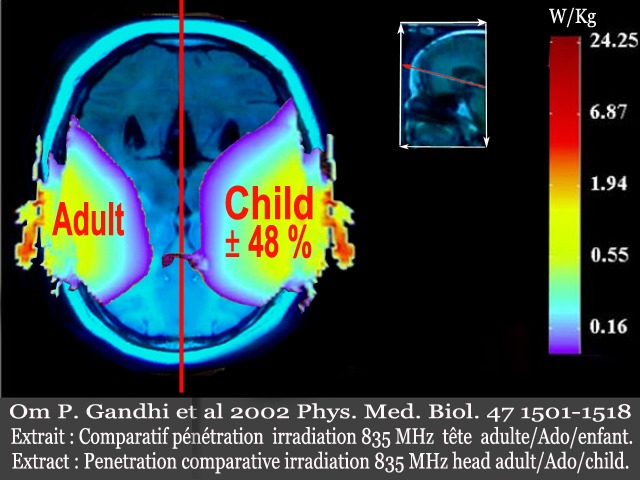
People who are hypersensitive to radiation present characteristic symptoms:
- Headache
- Insomnia
- Chronic fatigue
- Irritability
- Skin changes, including itching and burning
- Recurrent infections
- Difficulty concentrating
- Short-term memory loss
- Sadness for no apparent reason
- Heart problems, poor blood circulation
- Disorientation
- Nasal congestion
- Decreased libido
- Thyroid disorders
- Eye irritation
- Tinnitus
- Frequent urge to urinate
- Nervousness
- Capillary weakness
- Cold hands and feet
- Muscle stiffness
According to the latest estimates, the electrosensitive population in modern societies ranges between 3 and 5%, bringing the number of Europeans suffering from this condition to approximately 13 million. In Sweden, the first country to recognize electrosensitivity as a cause for sick leave (physical disability), the number of affected individuals reaches 290,000.
People who suffer from electromagnetic hypersensitivity experience a significant decline in their quality of life, not only due to physical symptoms but also because of the profound emotional changes that often accompany it. To this must be added a series of drawbacks: firstly, the difficulty of diagnosis ( most doctors still do not identify it in their practice because it is not yet classified as a medical condition in our country) means that individuals who begin to experience the symptoms are referred from specialist to specialist. These diagnostic errors frequently worsen the syndrome, as they cause the individual to remain exposed to the causative agent for many years and delay the correct treatment. Secondly, people with this problem begin to experience social exclusion, starting with family and friends, and later at work. They are labeled as alarmists, lazy, hypochondriacs, social misfits… when in reality what they are suffering from is an organic disease that has biological markers such as melatonin , intracellular glutathione , heart rate variability , or malondialdehyde published by the College of Physicians of Austria in March 2012.
On the other hand, the link between electromagnetic hypersensitivity and electromagnetic fields has been questioned by certain institutions because provocation studies (where the affected person is exposed to a radiation source) find no effects. It should be noted that these studies have significant flaws, which could be improved by considering that those affected may have delayed reactions (lasting several seconds, minutes, or even hours ), and that the duration of symptoms after each exposure can also last for minutes, hours, or even days. These difficulties were already observed by Dr. William J. Rea , a pioneer in environmental medicine, in his 1991 study of electrohypersensitive individuals published in the Journal of Bioelectricity . Furthermore, the response to electromagnetic radiation is highly individual (it is necessary to determine beforehand which frequencies elicit the strongest response in each person) and may not be linear in its development.

Electromagnetic hypersensitivity under debate on Radio Nacional de España.

In 2015, French oncologist Dominique Belpomme and his team published the results of a study in Reviews on Environmental Health involving 675 people with electromagnetic hypersensitivity. They identified several biological markers, including elevated levels of nitrotyrosine in the blood (a marker of oxidative stress), histamine (an indicator of inflammatory response), S100B protein (a marker of brain damage and disruption of the blood-brain barrier ), and high-sensitivity C-reactive protein (a marker of cardiovascular risk and neurodegenerative disease). The study also found decreased levels of melatonin (an indicator of sleep disturbances), vitamin D (associated with alterations in the central nervous and immune systems), and cerebral blood flow (hypoperfusion in the capsulothalamic area). It should be added that elevated levels of histamine, S100B protein, and/or nitrotyrosine were detected in approximately 70 to 80% of the participants. of those affected by electro-hypersensitivity . In the remaining patients (20 to 30% of cases) the diagnosis could be established by the alterations recorded in the brain measured with cerebral tomosphygmography by ultrasound and with transcranial doppler ultrasound.

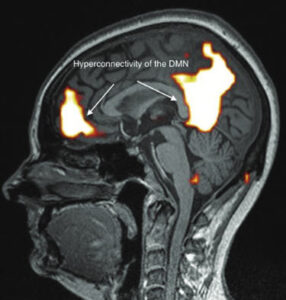
Electrosensitivity can also be diagnosed using imaging techniques. In a 2017 scientific study conducted by German doctor Gunnar Heuser, abnormalities were found in patients evaluated for electrosensitivity using functional magnetic resonance imaging (fMRI) brain scans . Specifically, alterations were observed in the default mode network and cerebral blood flow. It is worth noting that conventional magnetic resonance imaging in the same individuals showed nothing remarkable.
Furthermore, electro-hypersensitive individuals show delays in the repair of their cellular DNA , making them highly susceptible to developing cancer or neurodegenerative diseases , according to the world’s first clinical study on the molecular definition of electrosensitivity: the DEMETER study published in May 2025.
It is becoming increasingly clear that those in power are not interested in recognizing diseases that go against market interests and/or bring with them clear legal responsibilities (for telecommunications and electricity companies), or that are not easy and profitable enough (for the big pharmaceutical industry) .
All this despite the fact that the European Parliament, through its resolutions of 2 April 2009 and 27 May 2011 , has asked all member states to follow Sweden’s example and recognize electromagnetic hypersensitivity in order to provide adequate protection and ensure equal opportunities for those who suffer from it.
On the other hand, on May 23, 2011, Minerva Palomar became the first worker in Spain to be granted «permanent and total disability» by a judge due to electromagnetic and environmental hypersensitivity syndrome , receiving a pension equivalent to 100% of her salary. This case was followed by that of Ricardo de Francisco , a telecommunications engineer, in July 2016; Joaquín Sanz , a senior systems and telecommunications technician, in December 2018; a radiology technician from Barcelona in May 2021; and most recently, a construction foreman from Lleida in 2024. There have also been similar recognitions in other countries, as can be seen in the section » Voices that Complete the Perspective» (pages 51 to 141) of the Global Dissemination Document prepared by Professor Mónica Mendiwelso .
As evidence of what current laws regulating exposure levels to high and low frequencies, on the one hand, and the media, on the other, conceal from us, one need only read the testimoniesdirect reports from people affected by electrosensitivity .
To avoid reaching these extremes, prevention is key, and to that end ( while our authorities fail to act), it is advisable to identify and minimize our exposure in domestic and work environments, in order to get as close as possible to the goal of living in places free of electromagnetic pollution (white zones).
What causes electrosensitivity? |
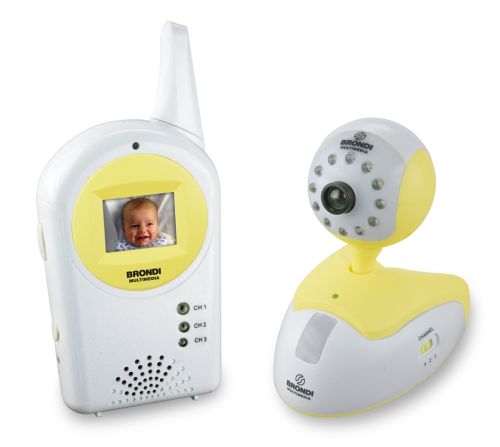
Currently , the most frequent sources of radiofrequency radiation are mobile phone antennas , along with Wi-Fi routers and cordless phones . All of these emit microwaves continuously (24 hours a day, 7 days a week) around the locations where they are installed.
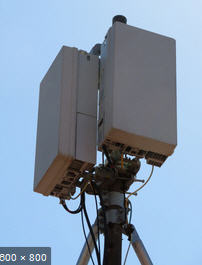
Regarding 2G to 5G mobile phone base stations , the people who are at greater risk a priori are those who have them directly in front of them , but those who have the antennas above them should not be complacent since they may not be free of possible risks, as demonstrated by the study in a home by oncologist Lennart Hardell published in 2022, or the one in an office from 2023.
Faced with widespread opposition from residents’ associations to installing mobile phone antennas on their rooftops, telecommunications operators are exploring new options. One of these is pico antennas . These are small antennas located on building facades at street level, sometimes camouflaged within the illuminated signs of businesses that rent the space, or blended into the walls. These are the same antennas that have already been installed in some subway stations to provide coverage underground.

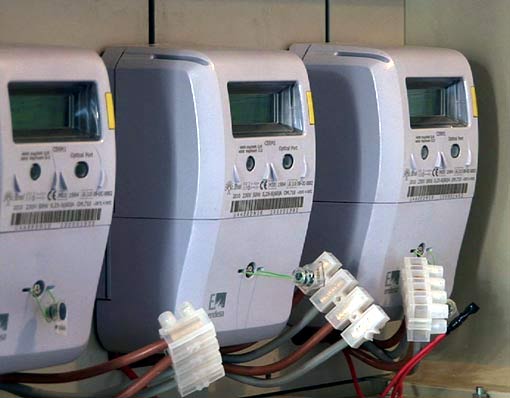
Under the guise of cost savings on electricity bills, we have yet another source of emissions: smart meters (also known as smart meters ). Electricity companies are using these to gradually replace the old analog meters. The new digital meters allow for remote reading of consumption (no more inspectors coming to our homes to read the data), but to do so they need to transmit data either intermittently via microwaves similar to those used by mobile phones, or through medium-frequency electromagnetic fields injected into the electrical grid via existing wiring.
Water and gas meters could also be replaced, increasing exposure to electromagnetic fields in the areas where they are installed. Furthermore, simply transmitting consumption data using the existing fiber optic cable network in most cities, instead of through electrical wiring, would completely eliminate the problems described above.
At low frequencies , the non-ionizing radiation with the greatest potential risk comes from transformer centers , substations and high-voltage power lines , both overhead and underground, or from power cables that run close to the facades of buildings at the level of the first floors.
If power lines are not shielded (or protected) with materials of high magnetic permeability, or are not kept a safe distance from homes, there is a risk of exposure to high levels of magnetic fields . Simply burying power transmission and distribution cables can reduce electric fields, but it does not eliminate potentially dangerous magnetic fields.

Any household appliance or equipment that is in operation, such as a computer, ceramic hob, hairdryer, razor, electric blanket , etc., usually produces high levels of electromagnetic fields, which, due to their proximity to the user, can pose risks if exposure is prolonged. However, these appliances can be unplugged to completely eliminate their effects.
Sometimes, we see how people who have always enjoyed good health can become ill due to electromagnetic field emitters such as electrical appliances (clock radios, stereos, etc.) located very close to their beds. Similarly, we might see a child suffering from nervousness, insomnia, and headaches able to sleep and be calm after correcting problems with the electrical wiring in their bedroom walls. The effects of radiation are cumulative and can be aggravated if our bed is located above an underground watercourse , a geological fault , or a Hartmann-Curry grid crossing (anomalies in the Earth’s magnetic field). Sometimes years must pass before any of the aforementioned symptoms appear. In the cases mentioned above, moving the sources that produced electromagnetic fields, correcting the electrical wiring in the walls, or changing rooms restored health or produced substantial improvements . Were these people sensitive to electricity? If the sources of radiation had not been identified and their exposure reduced, these people could have developed a more severe and permanent intolerance to electromagnetic fields.
There are varying degrees of electromagnetic hypersensitivity . Those forms that are reversible are mild forms of electrical sensitivity. With prolonged exposure, a person becomes highly sensitive to the initial frequencies (for example, those emitted by cell phone towers). Subsequently, as the syndrome progresses, the person also becomes sensitive to other sources of electromagnetic radiation (such as Wi-Fi routers, computers, or devices with electric motors). Experiencing electromagnetic field intolerance, even for only a short time, should be considered a warning sign from the body that a degree of chronic susceptibility may be developing .
Electrohypersensitivity (also known as EHS) may become the missing link that explains pathologies as diverse as chronic fatigue, fibromyalgia, depression, Alzheimer’s, Parkinson’s, autoimmune diseases (Crohn’s disease, multiple sclerosis), cardiovascular diseases, certain types of cancer, and many other recurring health problems for which people find no answer or permanent relief from allopathic medicine.
How to treat electrosensitivity? |
The most effective method for improving the quality of life for those affected is to avoid or minimize exposure to each source of electromagnetic radiation. To this end, it can be very helpful to enlist the services of an engineer experienced in electromagnetic pollution to conduct a detailed study of the places where we sleep, since this is when our body is at rest and most vulnerable because it secretes a series of vital substances ( such as melatonin ) essential for the proper functioning of the body, which are disrupted if we are exposed to electromagnetic fields. It is also advisable to review and provide effective solutions for the other areas where people spend a significant amount of time in the house, as well as the workplace .
Foods rich in melatonin, such as walnuts , oats, and brown rice; and in tryptophan (an amino acid precursor to melatonin ) , such as bananas , cocoa , pumpkin seeds , spirulina algae, chicken, or turkey, can help healthy people prevent the harmful effects of radiofrequency treatments and help those with electrosensitivity regain their lost balance. Similarly , foods rich in omega-3 fatty acids , such as flaxseed oil and oily fish (provided it is free of metals); and in sulfur compounds, such as garlic or cottage cheese, can improve blood circulation and help reduce headaches, high blood pressure, and/or minor arrhythmias.

Fermented papaya extract (Immun’Age) has demonstrated clear benefits in the treatment of individuals with electro-hypersensitivity, acting against oxidative stress, inflammation, and immune system suppression. According to a scientific study led by Dr. Philippe Irigaray in 2018 , an objective clinical improvement was established, evidenced by a decrease in markers such as malondialdehyde and histamine, and an increase in glutathione peroxidase activity.
Adaptogenic plants can help boost our immune system and combat fatigue. Reishi , for example, is a mushroom highly valued in the East for its potent antitumor, immunomodulatory, and antioxidant effects. Furthermore, the regular intake of probiotics and prebiotics is essential for restoring gut flora damaged by the effects of radiation exposure.
The effectiveness of all the solutions proposed here have been tested and verified by the author of this website, Alberto Cela, «taking advantage» of his condition of being affected by hypersensitivity to electromagnetic radiation.
It’s important to ensure there are no nutritional deficiencies in your diet. To do this, it’s advisable to supplement with one or more foods rich in vitamins, minerals, and trace elements, especially B vitamins (which improve memory, concentration, and mental agility). Examples include spirulina algae , goji berries, and bee products (pollen, royal jelly, propolis). Additionally, you should make sure to get several minutes of sun exposure each day so your body can produce enough vitamin D (essential for the immune system and calcium absorption in bones).
To rid ourselves of the electromagnetic radiation that we have accumulated in our bodies, it can help to use bioresonance therapies such as Moratherapy or Quantum-SCIO and repeat them if necessary, or until we can get away from the sources that radiate us in our environment.
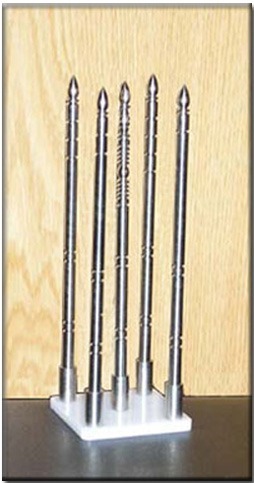
Furthermore, we can significantly improve symptoms associated with electrohypersensitivity by having some of the instruments created by Mario Gil near our bodies , such as the Penta or the Mega-Acu-Hanging. These are waveform generators whose effects on health can be observed through cellular analysis using dark-field microscopes.
Heavy metals (mercury, lead, cadmium, etc.) can accumulate in our bodies over the years, often from contaminated food, dental fillings , old pipes that carry our drinking water, and so on. These metals can worsen sensitivity to radiation if not eliminated promptly (remember that metals are excellent conductors of electricity). Chlorella algae, as well as garlic and cilantro, are very effective at cleansing our bodies of these toxins . Spending time near some of the paintings by the Madrid-based metarealist artist Javier Medina , whose painting technique can be seen in the following video , can also help improve or reduce electrosensitivity .
The detoxification of the body should be accompanied by several consecutive cleansings of gallstones in the gallbladder and liver, to prevent them from continuing to obstruct the hepatobiliary ducts, and thus hindering the rest of the regenerative processes.
| Some recommendations for electrosensitive people: |
Electromagnetic pollution kept in check – newspaper «La Razón» (April 2013)
|

In addition to all this, we must denounce the situation, demonstrate, collect signatures, and demand that our politicians legally recognize the potential health risks of electromagnetic fields. New laws should take into account the most vulnerable sectors of the population, such as children, the elderly, and the sick, and be consistent with the most current and objective scientific studies . These studies, such as those included in the BioInitiative Report , recommend adopting exposure limits based on the medium- and long-term effects of radiation on people . At a minimum, and initially, we should look to countries like Italy, Switzerland, Poland, Russia, and China, where their governments, based on the precautionary principle and common sense, have enacted maximum exposure limits hundreds of times lower than those in Spain.
| Maximum permitted values (in microwatts per square meter) |
| BIOINITIATIVE (*) | SWISS | ITALY | RUSSIA | SPAIN |
| 100 | 42,000 | 100,000 | 100,000 | 4,500,000 |
(*) Recommended limit according to the 2007 BioInitiative Report, which does take into account the possible health effects of exposure to electromagnetic radiation in the medium and long term (legal limits in countries like Spain only consider short-term effects).
It is necessary to publicize the existence of electrosensitivity, firstly to defend the rights of those already suffering from it, and also to warn others so that they do not suffer from it.
Finally, you can support the author of this website in their research to find a cure for electrosensitivity.
✅ PDF – Electrosensitivity – article published in the magazine «La Eco» no. 51 ( July 2008).
✅ AUDIO – Electrosensitivity – report broadcast on Aragón Radio on 19-11-2010.
✅ VIDEO – Being connected can seriously harm your health – Swiss documentary (May 2017).
About ELECTROSENSITIVITY: the content of this section (https://medicionderadiaciones.com/electrosensibilidad/) was hosted on the domain electrosensibilidad.es, from February 2008 until April 2023, at which time it became part of the domain medicionderadiaciones.com , and has been conceived, developed and progressively updated since then and in the future by its author, affected and expert in electrosensitivity, Alberto Cela.
Radiation Measurement | Measurement Testimonials | Blog | Electrosensitivity | Testimonials from Electrosensitive People | Latest News | Resources | Contact Us | About Us